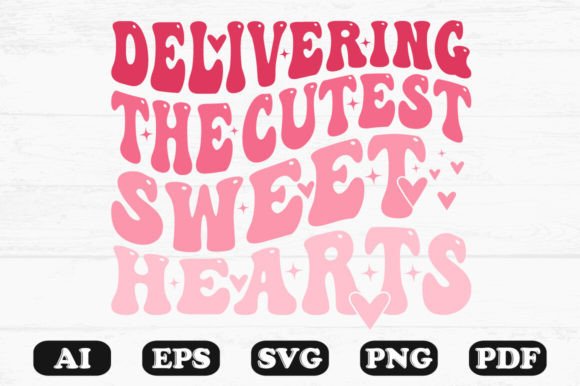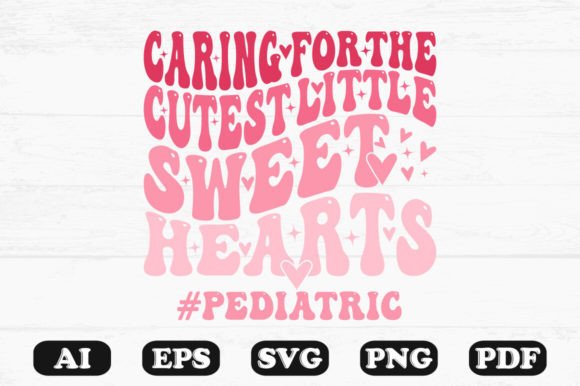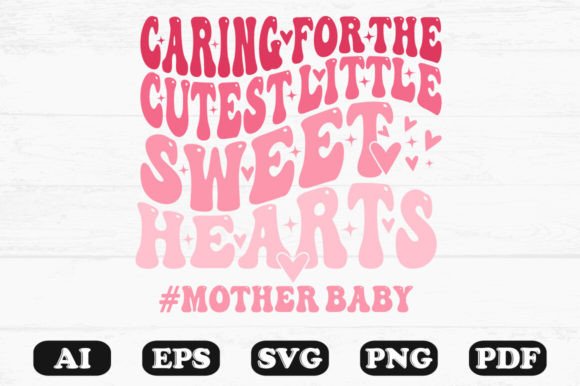
Cutest Little Sweet Heart Mother Baby
A Designer’s First Glance: Charm with Quiet Confidence
When Cutest Little Sweet Heart Mother Baby landed in my inbox, I paused—not because it screamed for attention, but because it *invited* it. Soft curves, gentle retro wavy lines, and a tender mother-and-baby motif create immediate warmth without tipping into cloying sweetness. This isn’t a loud, trend-chasing SVG—it’s a quiet keeper. As someone who tests dozens of embroidery files each month for client projects and small-batch production, I immediately pictured it stitched on a cream cotton tote bag for a boutique baby shower gift. The wavy baseline feels handmade, not digital; the heart shape is rounded but intentional, not generic. It breathes like a sketch you’d trace by hand—not a vector flattened by automation.
How It Stitches: Where Warmth Meets Practicality
I ran Cutest Little Sweet Heart Mother Baby as a machine embroidery design on three real substrates: midweight cotton twill (for embroidered patches), French terry sweatshirt fabric, and 100% cotton tea towels. On twill, the curves held beautifully—no puckering, no distortion—especially when paired with medium-weight cutaway stabilizer. The satin stitch along the outer heart edge stayed crisp, and the subtle wavy text flowed naturally, not stiff or segmented. On sweatshirts? Slightly more caution needed: I reduced stitch density by 8% in the inner fill areas and added a light tear-away topper. The result? Still soft, still legible, still unmistakably handmade.
For baby embroidery—think onesies or burp cloths—I’d recommend skipping dense fill stitches entirely. Swap the center fill for a delicate running stitch outline or open-heart applique design instead. Why? Because babies move, wash, and grow fast—and tight fills on thin, stretchy fabric can crack or irritate sensitive skin. Cutest Little Sweet Heart Mother Baby adapts well here, thanks to its generous negative space and forgiving line weight.
Where It Shines—and Where to Pause
This design excels in context-driven, emotionally resonant projects: personalized gifts, nursery decor, boutique apparel, and heartfelt holiday embroidery. I used it on a linen pillow cover for a new mom friend—paired with muted rose and sage thread colors—and the response was instant: “It feels like a hug.” That’s the power of intentional simplicity.
But let’s be practical: avoid cramming Cutest Little Sweet Heart Mother Baby into hoops smaller than 4x4 inches. The wavy baseline needs breathing room to retain its rhythm. On dark fabric, test thread contrast first—light peach or ivory thread reads softer than stark white, preserving the vintage mood. And on curved surfaces like caps? Skip it. The wave relies on horizontal flow; compressing it vertically flattens its personality.
Also note: while it’s labeled a “SVG Bundle,” this is primarily a text-and-icon hybrid. If you’re planning an applique design or layered patch, confirm whether the file includes separate color breaks or underlay stitching guidance. Not all SVG-based embroidery files translate cleanly to multi-step embroidery without manual cleanup.
What It Adds to Your Craft Business—Beyond the Stitch
As an Etsy seller and small shop product developer, I judge designs not just by how they stitch—but by how they land with customers. Cutest Little Sweet Heart Mother Baby elevates perceived value. It doesn’t shout “handmade”—it *whispers* it, confidently. Buyers recognize care in the spacing, the curve consistency, the absence of visual clutter. That builds trust faster than any description.
For commercial embroidery, it fits seamlessly into collections: baby milestone sets, motherhood-themed gift bundles, or seasonal offerings (think Valentine’s Day + Mother’s Day crossover). Its retro wavy style pairs well with other vintage-inspired design assets—no jarring tonal clashes. And because it avoids trendy slang or dated fonts, it won’t feel outdated next season.
Real-World Designer Notes Before You Stitch
- Always test on scrap fabric matching your final substrate—especially for sweatshirt embroidery or baby embroidery where texture and stretch vary widely.
- Check stitch density in the heart’s inner curve and wavy text baseline. Overly dense fills can overwhelm lightweight fabrics and mute the design’s gentle tone.
- Confirm hoop size compatibility before digitizing or purchasing—if your smallest hoop is 3x3”, this may require scaling down, which risks losing the wave’s fluidity.
- Review small details in black-and-white mockups. Does the heart’s point remain distinct? Does the wave read as one motion—or break into disjointed segments?
- Use proper stabilizer: cutaway for stable fabrics like tote bags and tea towels; lightweight tear-away + topper for knits or baby items.
- Verify licensing before listing finished products or digital embroidery files for sale—especially if marketing as part of a Crafts or Graphics bundle.
The Final Thread
Cutest Little Sweet Heart Mother Baby isn’t flashy. It doesn’t need to be. What it offers is rare in today’s oversaturated design landscape: emotional resonance grounded in thoughtful execution. It works because it respects both the craftsperson’s time and the customer’s heart. Whether you’re stitching a custom embroidered tote bag for a local boutique, prepping a batch of sweatshirt embroidery for your Etsy shop, or creating a personalized gift that lands with quiet sincerity—this design earns its place in your active embroidery project queue. Just remember: let it breathe, honor its curves, and pair it with intention. That’s where handmade truly begins.